Curriculum outlines and teacher learning
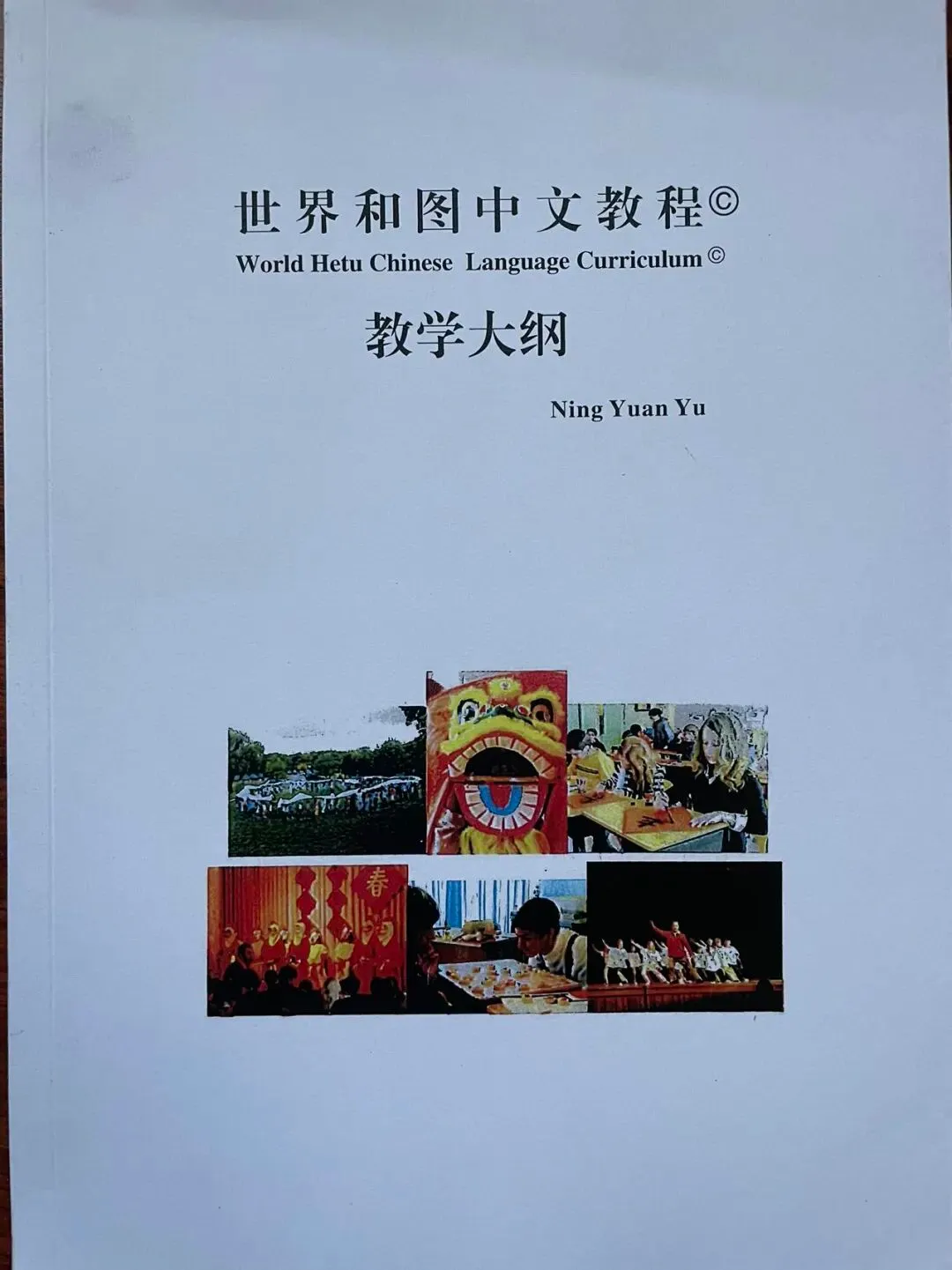
The source lists three Chinese curriculum outlines: Chinese as a second foreign language, Chinese as one bilingual language, and Chinese as a mother tongue. Teacher learning includes shared theory and practical study.
- Shared theory: Anthroposophy and Chinese culture; World HeTu Chinese practice; Chinese main-lesson study; education theory and practice based on child development; and light education.
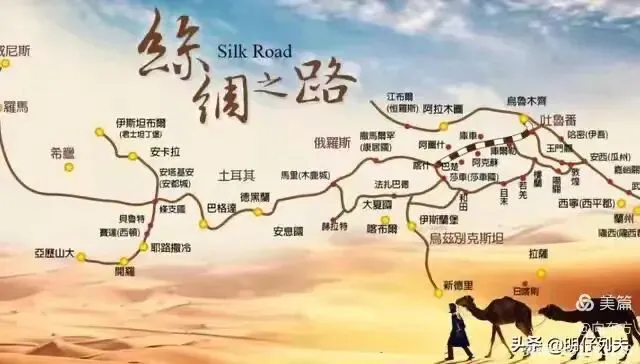
- Practical study: arts including calligraphy, drawing, music, sculpture, and woodwork; inner-development exercises; child observation and research; study travel along the Yellow River, Yangtze, Pearl River, and Silk Road; assessment, main-lesson books, and teaching reports; and festival organisation.
Five course systems
- Anthroposophy and Chinese culture in depth.
- World HeTu Chinese practical course.
- Practical course in World HeTu Chinese main-lesson blocks.
- Educational theory and practice based on human development.
- Spring Valley curriculum system: light education.
Anthroposophy and Chinese culture in depth
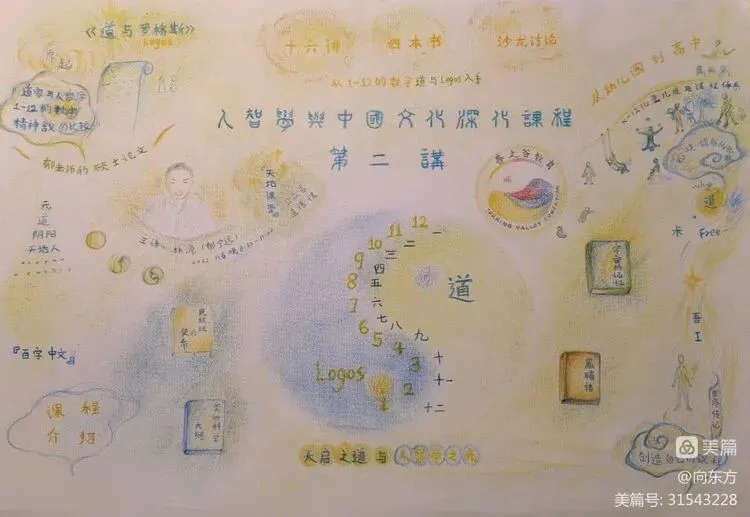
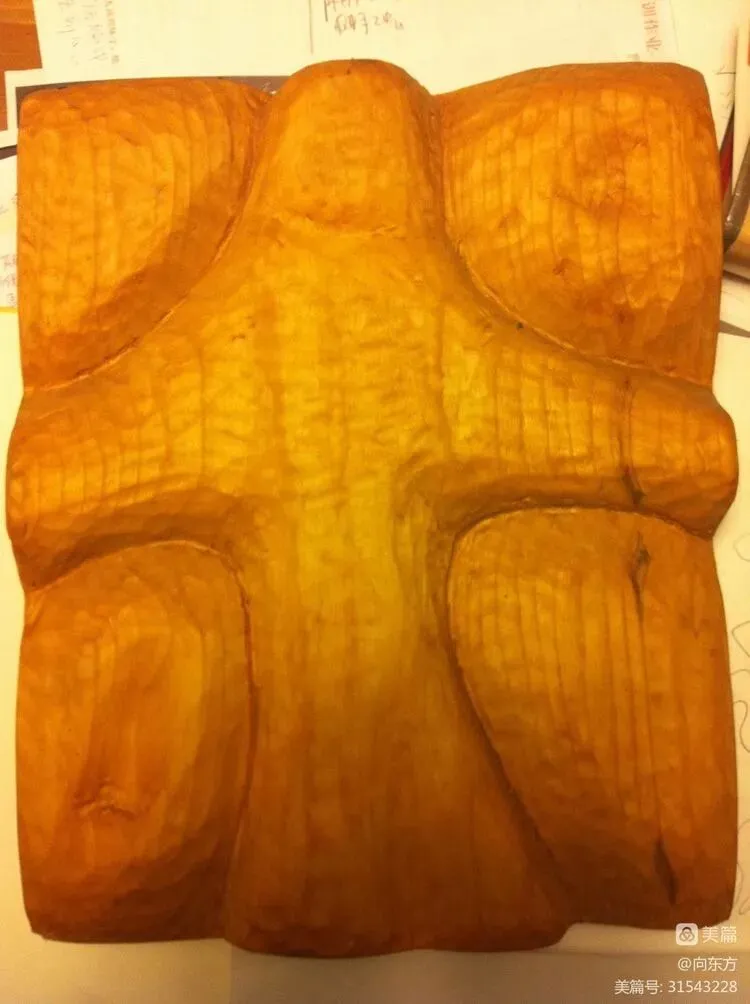
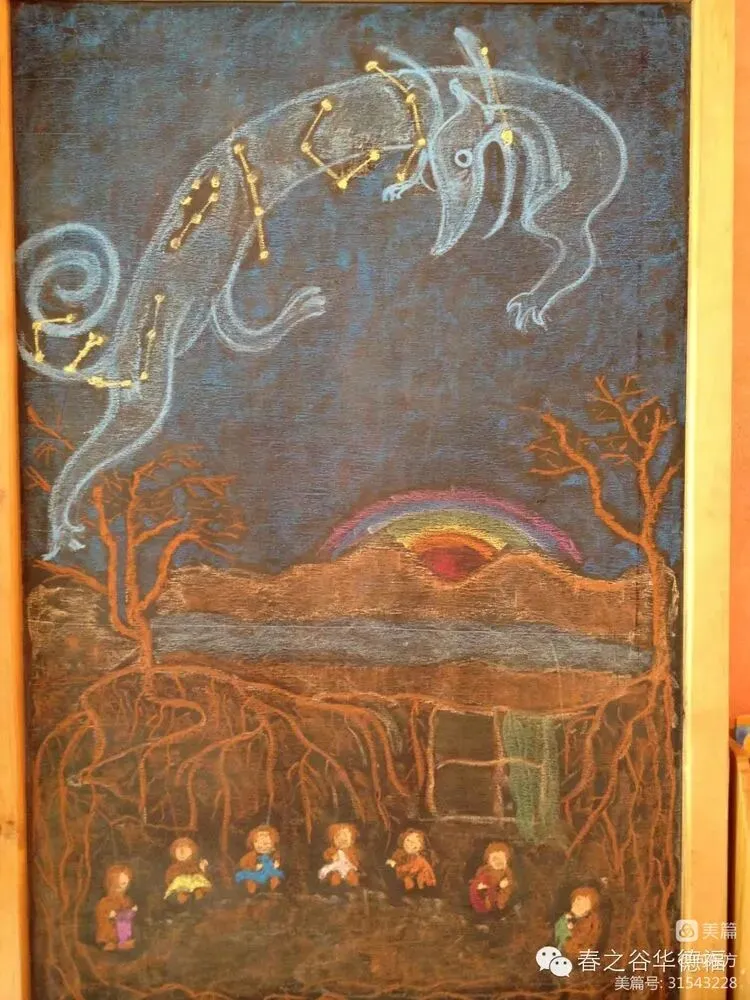
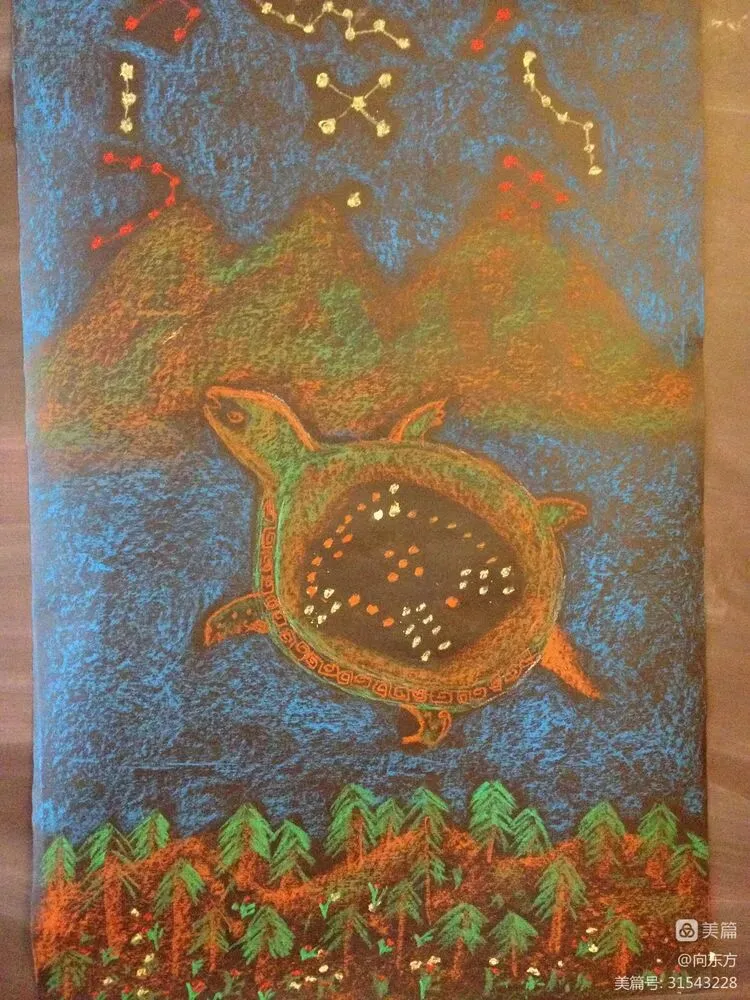
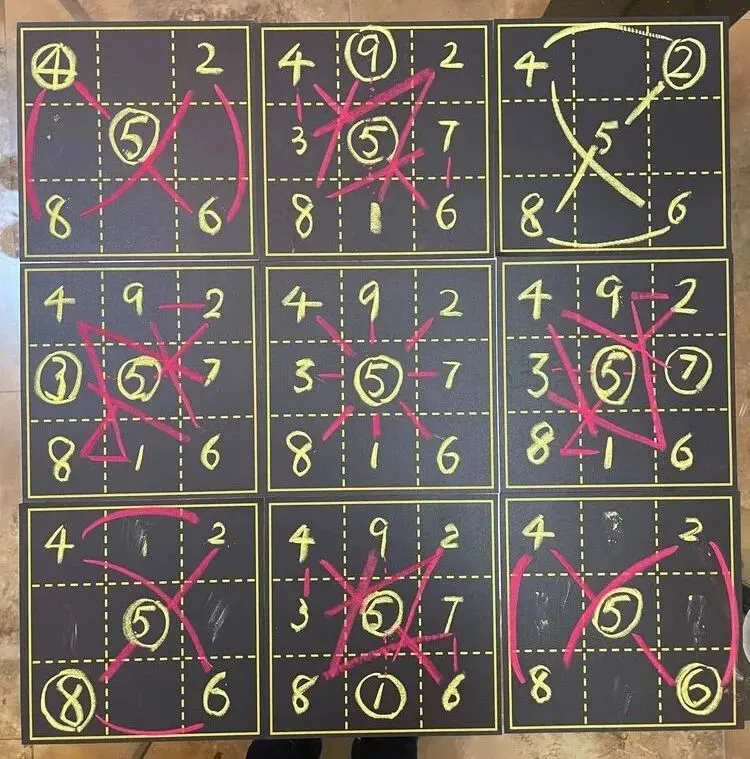
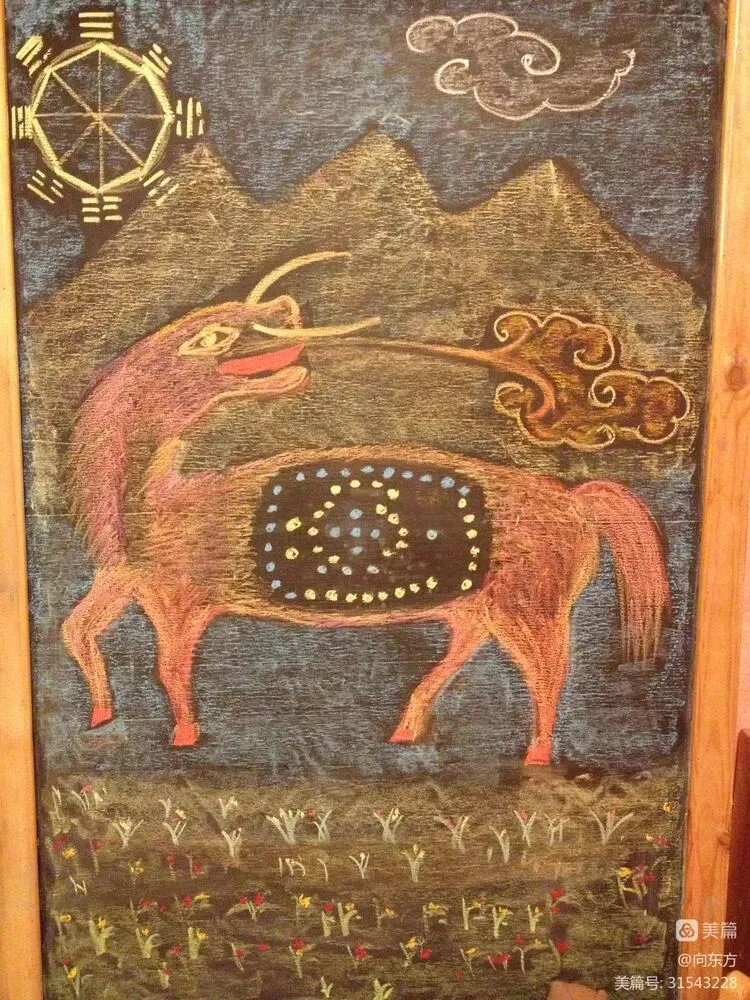
The listed study begins with an overview, “Dao and Logos,” original Dao, and the two polarities, then extends to symbolic number, the eight trigrams, heavenly stems, classic texts, child development, and the senses.
World HeTu Chinese practical course
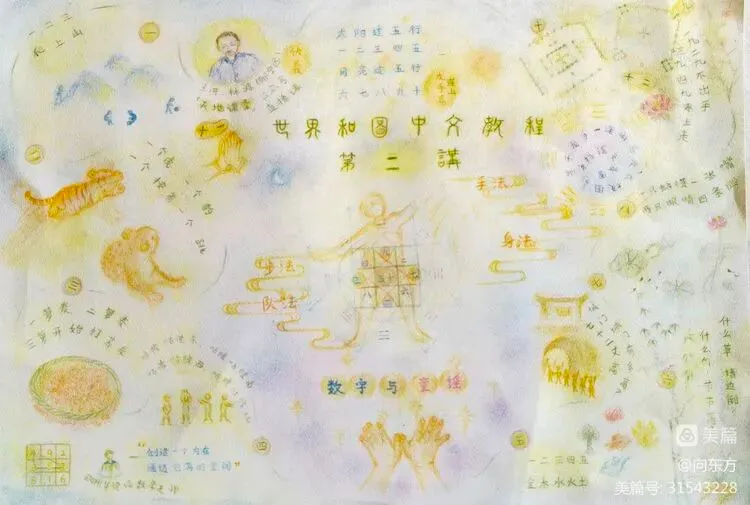
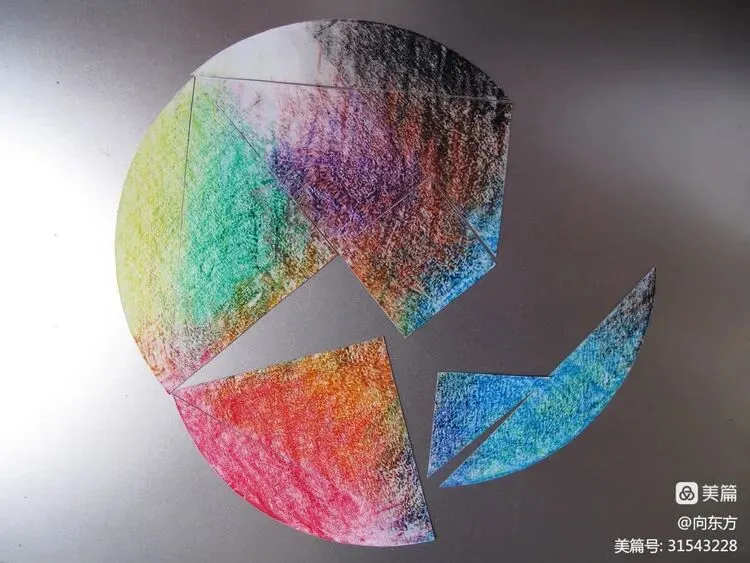
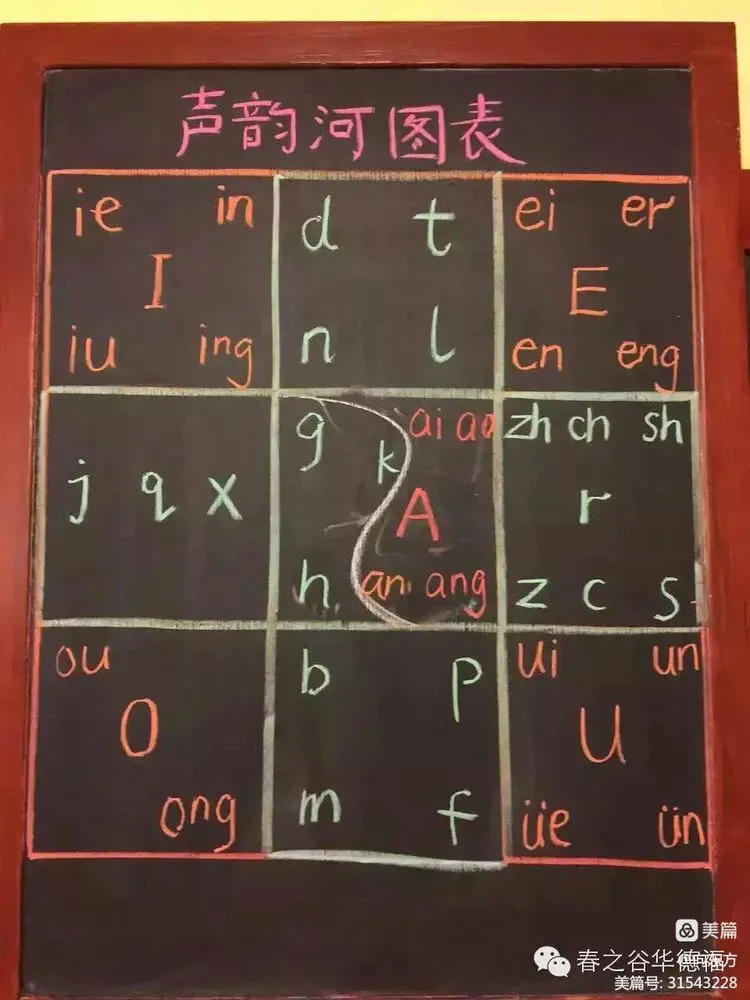
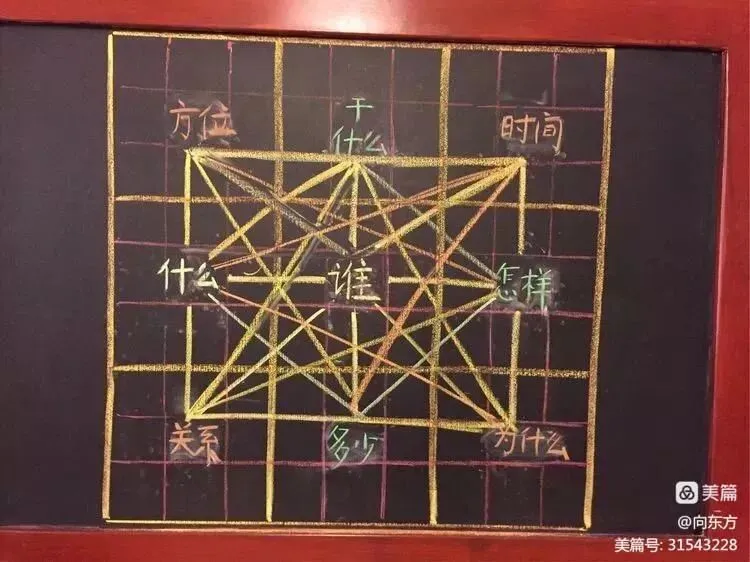
The practical course introduces World HeTu Chinese; Longshou Yi and number fingers; rhyme morning circles; “Hundred-Character Chinese” and “Thousand-Character Chinese”; pinyin and sound-rhyme Taiji; colour-and-HeTu and character-and-HeTu; sentence-and-HeTu and composition-and-HeTu; Chinese conversation; and the curriculum for Chinese as a foreign language.
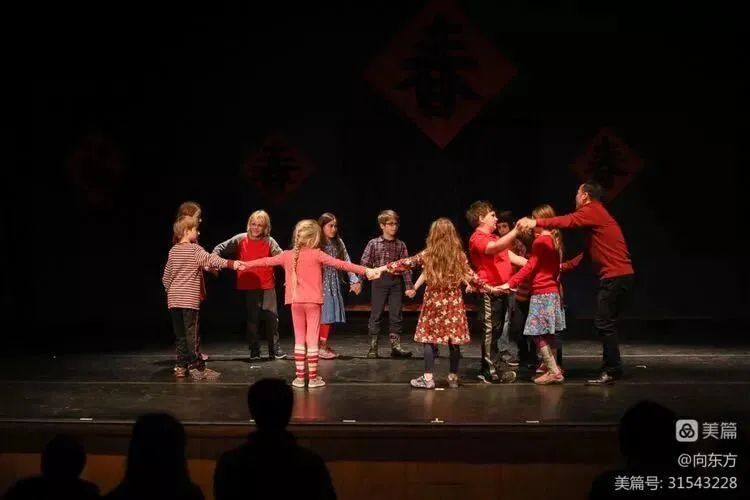
The morning-circle work connects rhymes, poetry, stories, games, and seasonal change; conversation work organises language exchange through greetings, dialogue, and dramatic situations.
Main lessons, child development, and light education
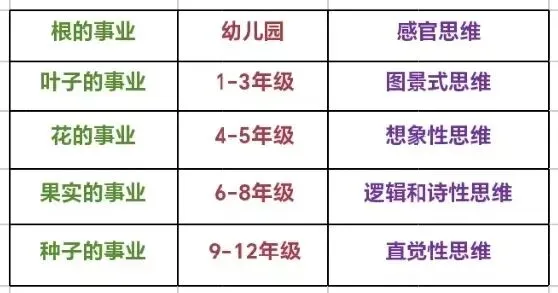
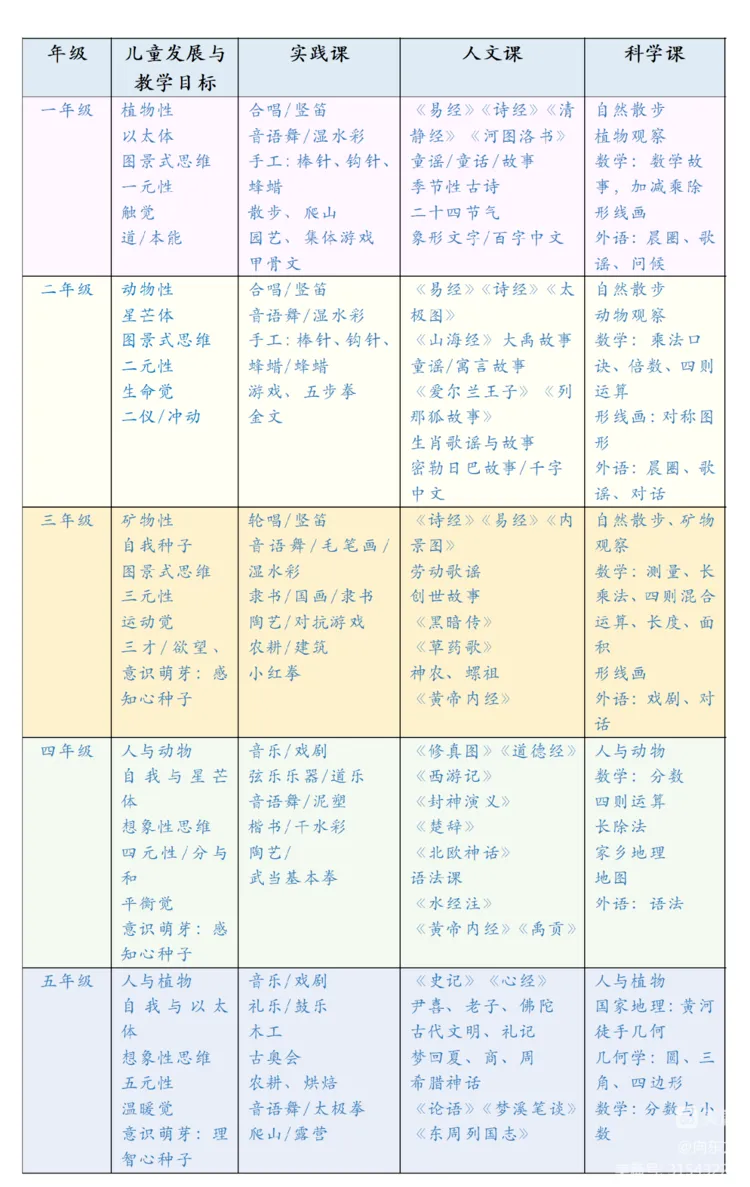
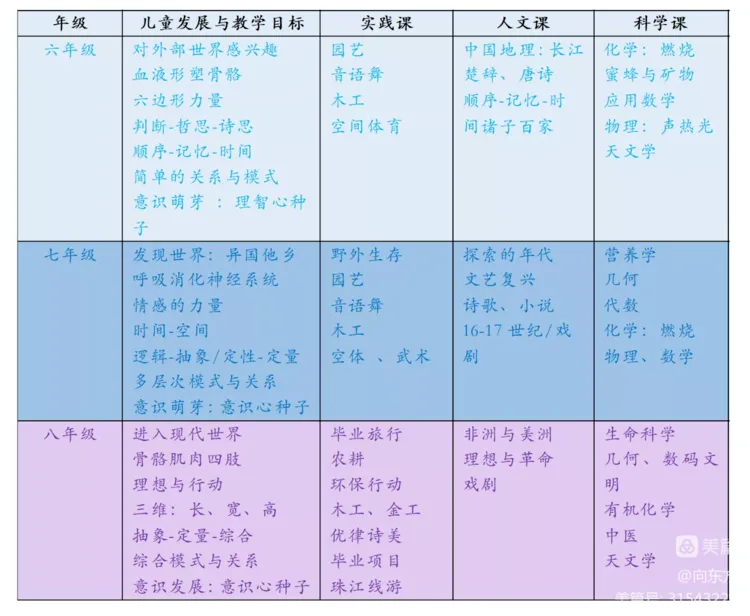
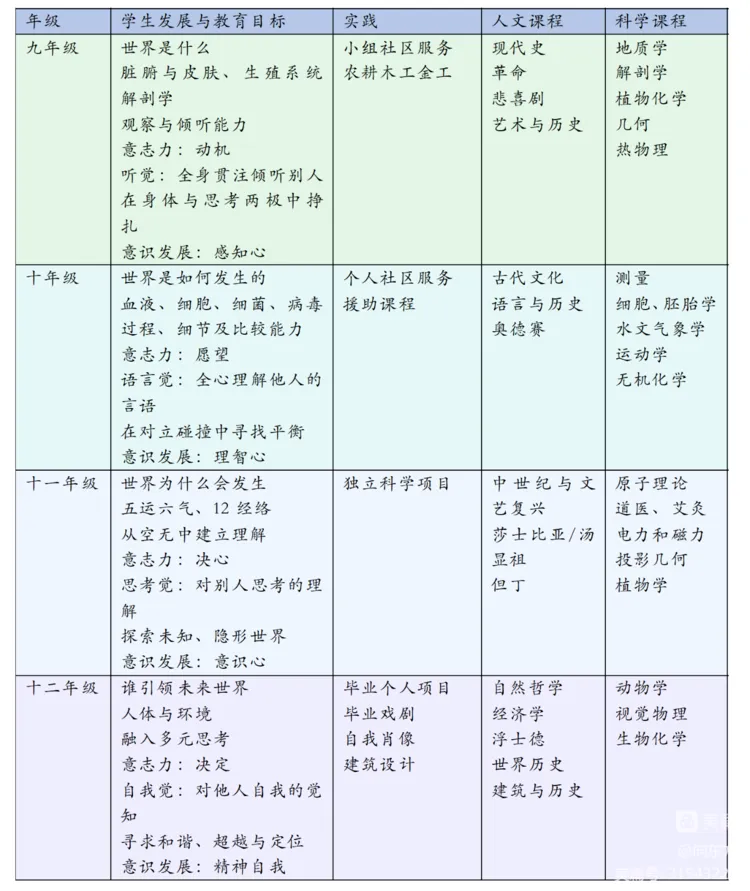
The source presents Chinese main lessons, study travel, and drama as practical work and relates grade-level curriculum to child development. The table below restates the Grade 1–5 information from the chart in readable text; the original charts remain as references.
| Grade | Child development and learning aims | Example curriculum themes |
|---|---|---|
| Grade 1 | Plant-like development, etheric body, image-based thinking, and unity. | Rhythm and handwork, fairy tales and stories, nature walks, mathematics stories, and foreign-language morning circles. |
| Grade 2 | Animal quality, astral body, image-based thinking, duality, and the sense of life. | Rhythm and handwork, fables, literature and handwriting, nature observation, and foundational arithmetic. |
| Grade 3 | Mineral quality, self and image-based thinking, threefoldness, movement sense, and emerging will. | Rhythm, handwork, building, myths and stories, measurement, length, area, and nature observation. |
| Grade 4 | Human and animal, self and astral body, imaginative thinking, fourfoldness, and balance. | Music and drama, clay work, basic Wudang forms, Norse mythology, grammar, fractions, and local geography. |
| Grade 5 | Human and plant, self and etheric body, imaginative thinking, fivefoldness, and the sense of warmth. | Music and drama, rites and music, woodworking, ancient Egypt and Greece, Yellow River freehand geometry, fractions, and decimals. |